Road to Jukai Cabin Atmosphere
Mirrors, manners, and the cost of looking away from the lane.
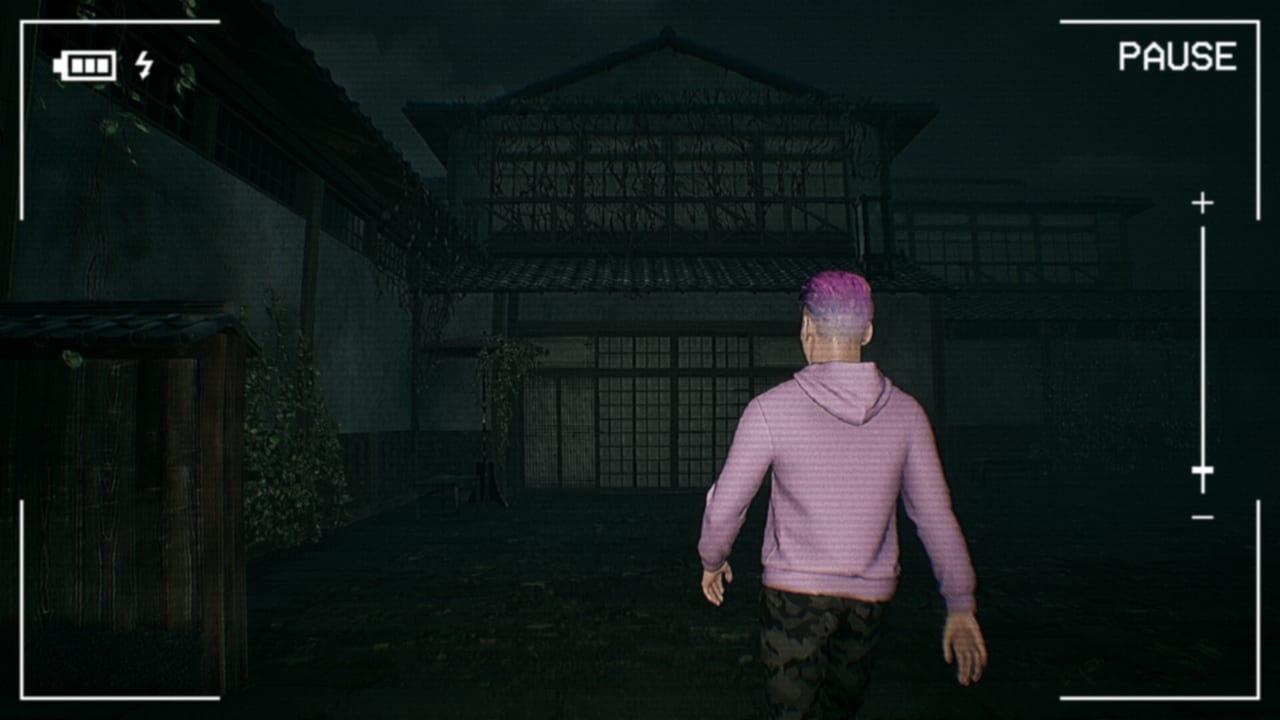
Most of Road to Jukai happens inside a box of glass and upholstery barely large enough for your job and someone else’s secrets. The cabin is the game’s primary stage: first-person night driving, passenger proximity, dashboard glow, and the constant argument between eyes on the road and eyes on the fare. This page explains how to read that atmosphere using public trailer language and spoiler-light hands-on motifs—especially “don’t look back” style rules—without inventing cast names. Continue to Passenger Types for archetypes and Strange Requests when an ask turns sharp.
The cabin as a social machine
A taxi cabin forces politeness. You cannot walk away mid-block without breaking the occupational script. Horror uses that script against you. Uncanny riders do not need supernatural sprint speed if social rules keep you seated. Trailers emphasize quiet boarding, mirror silhouettes, and conversations that make the forest outside feel like an eavesdropper. Press lines calling the project “deeply unsettling” make more sense here than in a wide combat arena: dread is centimeters behind your seat.
Your loop still matters—pick up, drive, listen, respond—as outlined in How to Play. Atmosphere is what that loop feels like when the road is narrow and the passenger is wrong in a way you cannot yet prove.
Looking at passengers vs watching asphalt
BitSummit-era hands-on notes described slow head-look inside the cabin, which turns every mirror check into a time purchase. Whether your playtest matches that pacing exactly, the design tension remains: information about the fare costs information about the lane. Practical habits:
- Use short glance bursts, then return to the vanishing point.
- Lower look sensitivity until tree lines stay stable—see Controls.
- Let audio carry some passenger detail so your eyes can stay forward.
- Treat prolonged staring as a conscious choice the scene may punish or reward.
Early demo driving could bounce off walls when attention slipped. That roughness may be tuned away by 2027, but the lesson survives: the cabin asks you to split focus until something breaks—glass, nerves, or the illusion of a normal shift. More demo caveats live on BitSummit Hands-On.
“Don’t look back” and rule-giver energy
Public preview chatter includes passenger moments in the don’t look back family—rules that attack the very cameras horror players use to feel safe. Rule-givers show up as an archetype on Passenger Types for a reason. When a fare forbids a glance, you feel the genre’s knife: compliance might protect you, curiosity might inform you, and either choice can be costly. This page will not tell you a “correct” meta. It will tell you to notice when a rule is about camera authority rather than navigation.
If the rule extends outside the car—“step out, pick that up, do not turn around”—you are now in Roadside Stops territory, where cabin safety is voluntarily surrendered.
Uncanny riders without a bestiary
Uncanny does not always mean monstrous silhouette. It can mean timing that is too perfect, local knowledge nobody asked for, silence that feels ceremonial, or friendliness that ignores the hour. Keep your vocabulary on archetypes until Endflame publishes stable names. Avoid spoiling other players with unmarked encounter order across six nights.
The Galaxies-facing official trailer embedded here (IGN upload ID 3TYokmXYr7I, still branded Silent Road in many listings) is a useful mood reel for cabin-and-road pressure before the Road to Jukai rename marketing wave. Watch once for emotion; watch twice for how often the frame privileges the passenger over the scenery.
Sound, light, and micro-space
Cabin atmosphere is a lighting design problem. Dashboard illumination, mirror flare, exterior neon from convenience stores, and crushed blacks along the tree line all compete. Raise gamma only until hazards remain readable; blasting brightness can flatten the dread the art direction wants. Headphones separate fabric shifts and whispered lines from tire hiss. If subtitles help you keep eyes forward, enable them—language options are summarized on Supported Languages.
Mature tone inside close quarters
Proximity intensifies subject matter. Steam flags mature content including depictions of suicide; forest folklore associations amplify that weight. If cabin conversations brush themes you cannot handle tonight, stop. Content Warnings exists so opting out is planned rather than panicked.
Playtest feedback that helps cabin feel
When you report atmosphere bugs, be specific: “passenger lip sync drops when look angle exceeds X,” “mirror shows z-fighting at the second town light,” “subtitle timing lags whispered line by two seconds.” Mood feedback (“felt tense”) is welcome affirmation; reproducible technical notes are how Endflame fixes the box you sit in. Use channels linked from Official Links and etiquette from Join the Playtest.
Related pages
- Passengers Hub — section index.
- Passenger Types — reading fares.
- Strange Requests — handling asks.
- Controls — look and drive focus.
- Jukai Setting — why the forest pressures the glass.
The cabin is small on purpose. Every glance is a vote between the living road and the person who may not be living by ordinary rules. Keep your hands steady, budget your looks, and remember that in Road to Jukai the scariest seat is not always the one you drive from—it is the one you cannot stop thinking about in the mirror.
Frequently Asked Questions
Quick answers for night-shift drivers preparing for Jukai.
Why does the cabin matter so much in Road to Jukai?
It is the primary stage for first-person driving and passenger proximity—most pressure happens at arm’s length, not in open arenas.
Should I watch the passenger or the road?
Both, in short bursts. Information about the fare costs time on the lane; practice glance discipline in Controls.
What are don’t-look-back beats?
Passenger rule moments that restrict camera glances. They turn looking—the player’s usual safety tool—into a risk.
Does this page name passengers?
No. It sticks to atmosphere and archetypes until official materials stably support names.
Where do I go if a passenger sends me outside?
Read Roadside Stops for leaving the taxi, and Strange Requests for compliance pressure.