Road to Jukai Roadside Stops
When a fare asks you to step out of the cabin—and why that moment matters.
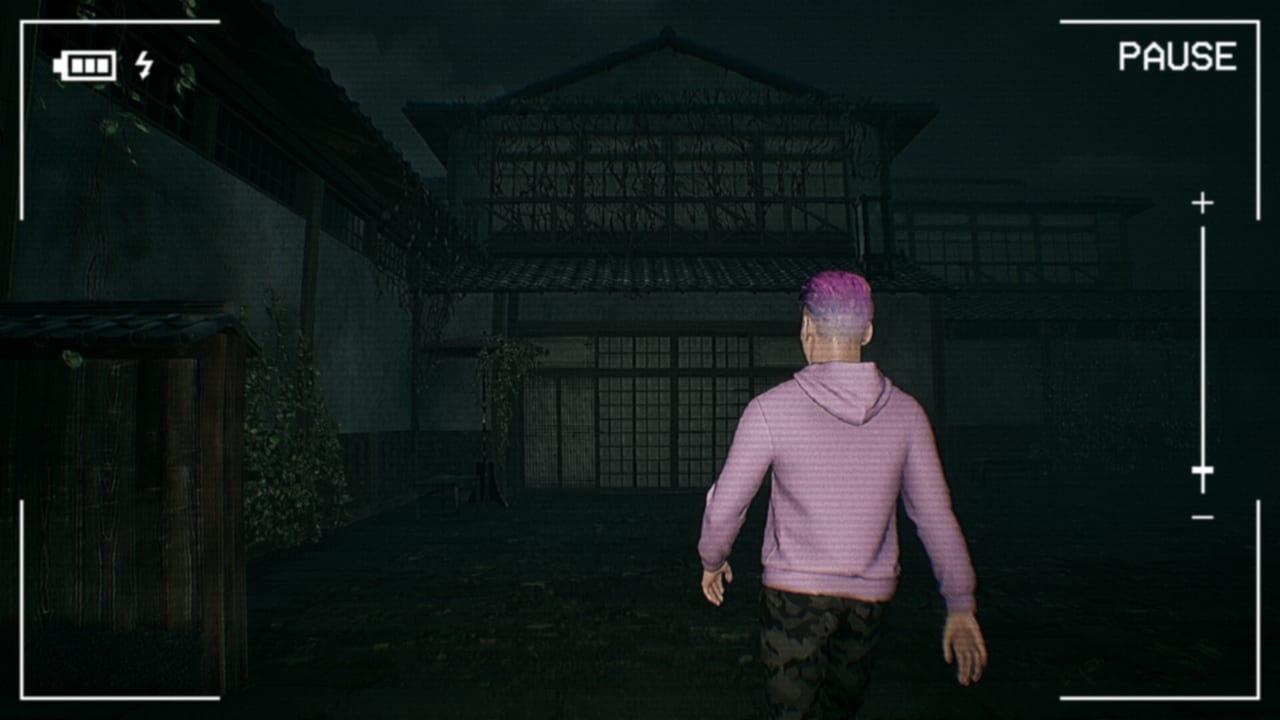
Official feature copy for Road to Jukai highlights a crucial break in the taxi fantasy: you can leave the vehicle to help with passenger roadside tasks. That sounds small until you remember the cabin is your only semi-private bubble on a haunted forest route. This guide explains how to think about roadside assists using public materials only—no invented fetch-quest list, no fake item names, no spoiler maps. Pair it with Strange Requests for the social pressure of compliance, How to Play for the overall loop, and Controls so on-foot look and interact prompts do not fight you.
Why leaving the cabin is a horror verb
Inside the taxi, your threats are framed by glass, mirrors, and the road. Outside, the frame widens: shoulder gravel, tree lines, town sidewalks, neon spill from a lonely convenience store, apartment stairwells that feel too quiet. Official trailers and hands-on previews lean on roadside beats such as “someone dropped something” moments—ordinary errands re-skinned as vulnerability. The assist may be mundane on paper. The act of exiting is the scare engine.
Psychologically, the cabin represents procedure. Stepping out suspends procedure. You are no longer “just driving.” You are participating. That shift is why roadside stops deserve their own page instead of a footnote on How to Play.
What public materials actually promise
We know from store-facing feature language that roadside help is an intentional system, not an accidental out-of-car glitch. We know passengers make odd requests. We know the setting mixes Japanese town edges with Jukai woodland pressure—see Jukai Setting. We do not have a locked spreadsheet of every stop type for 2027. Playtest builds and showcase demos may include only a sample. Treat each exit as a designed beat: look, listen, decide how long to stay exposed, return to the driver seat when the task—or the scene—ends.
The gameplay trailer embedded here (Silent Road Gameplay Trailer | Galaxies Spring 2026, ID n3bRW4_aMlo) is useful for reading movement language under the pre-rename brand. It is atmosphere and motion reference, not a checklist of mandatory stops.
Tension map: cabin safety vs roadside agency
Use this mental model while you play:
- Cabin — constrained view, passenger proximity, driving focus.
- Threshold — door open, engine state unclear to your nerves even if the sim is fine.
- Roadside — wider audio, more angles for silhouettes, slower “escape” back to rolling speed.
- Return — re-entering should feel like sealing a hatch; give yourself a second to reorient mirrors before accelerating.
If a passenger asks you to hurry, that social pressure is part of the design conversation covered on Strange Requests. Speeding through a stop with tunnel vision is how you miss the clue the stop exists to show—or how you walk into a jump scare that a slower approach would have telegraphed.
Practical habits for assists
- Park with intent — where the build allows, leave yourself a clean path back to the door.
- Short look sweeps — check roadside, tree line, then the passenger’s position if they exited too.
- Audio first — headphones help separate footsteps, fabric, and forest beds.
- Do not assume combat — this is psychological horror, not a looter shooter; your “weapon” is attention.
- Respect mature themes — some assists may brush bleak subject matter; read Content Warnings if you are sensitive.
- Report traversal bugs in playtest with reproduction steps via the habits on Join the Playtest.
Early demo impressions noted stressful driving and collision roughness in preview builds; on-foot segments can inherit that unfinished friction. See BitSummit Hands-On and remember demo feel is not final 2027 quality.
How roadside stops connect to passengers
Not every fare will send you outside. Some pressure you entirely from the back seat—mirror rules, silence, route insistence—documented as archetypes on Passenger Types. Roadside asks externalize trust: the passenger needs your body in the world, not only your steering. That can feel like kindness, chore, trap, or ritual. Your job as a player is to notice which emotional register the scene wants without pausing to wiki-raid mid-animation.
When the request is strange, slow down. When the request is simple, still watch the edges of the frame. Ordinary tasks are how this genre hides the knife.
On-foot controls mindset
Exact binds change between builds. Before a playtest night, confirm interact, move, and look in the options menu. If mouse look feels slow in the cabin—as some BitSummit hands-on notes described—expect similar pacing on foot and adjust sensitivity carefully so a 180-degree panic flick does not disorient you into a wall. Partial controller support still applies; keep a keyboard ready for stubborn prompts.
Spoiler-safe discussion tips
Say “roadside assist” or “left the taxi for a passenger task” instead of listing encounter order. Do not post unmarked maps of stop locations from playtest builds that might change. Link this page when someone asks whether you are stuck in the car the entire game—the official answer is no.
Related reading
- Strange Requests — compliance versus observation.
- How to Play — full night-shift loop.
- Controls — driving and look focus.
- Cabin Atmosphere — tension when you stay inside.
- Guides Hub — all how-tos.
The meter runs in the cabin. The story often advances in the gravel. Step out when the fare asks, keep your attention wide, and treat every roadside stop as a voluntary surrender of the only door you trusted—then earn that door back.
Frequently Asked Questions
Quick answers for night-shift drivers preparing for Jukai.
Can you leave the taxi in Road to Jukai?
Yes. Official feature copy describes leaving the vehicle to help with passenger roadside tasks.
Are roadside stops combat missions?
Public materials frame them as assists inside psychological horror, not as a shooter loop.
Will every passenger make me exit?
Not necessarily. Some pressure stays entirely inside the cabin through dialogue, silence, or route demands.
Do playtest stops match the final game?
Not guaranteed. Early builds may include only sample assists that change before the 2027 release.
What should I read with this guide?
Strange Requests for social pressure, How to Play for the loop, and Controls for input comfort.